Garage Doors in Bramalea Woods, OntarioThe whole door,not just the loud part.
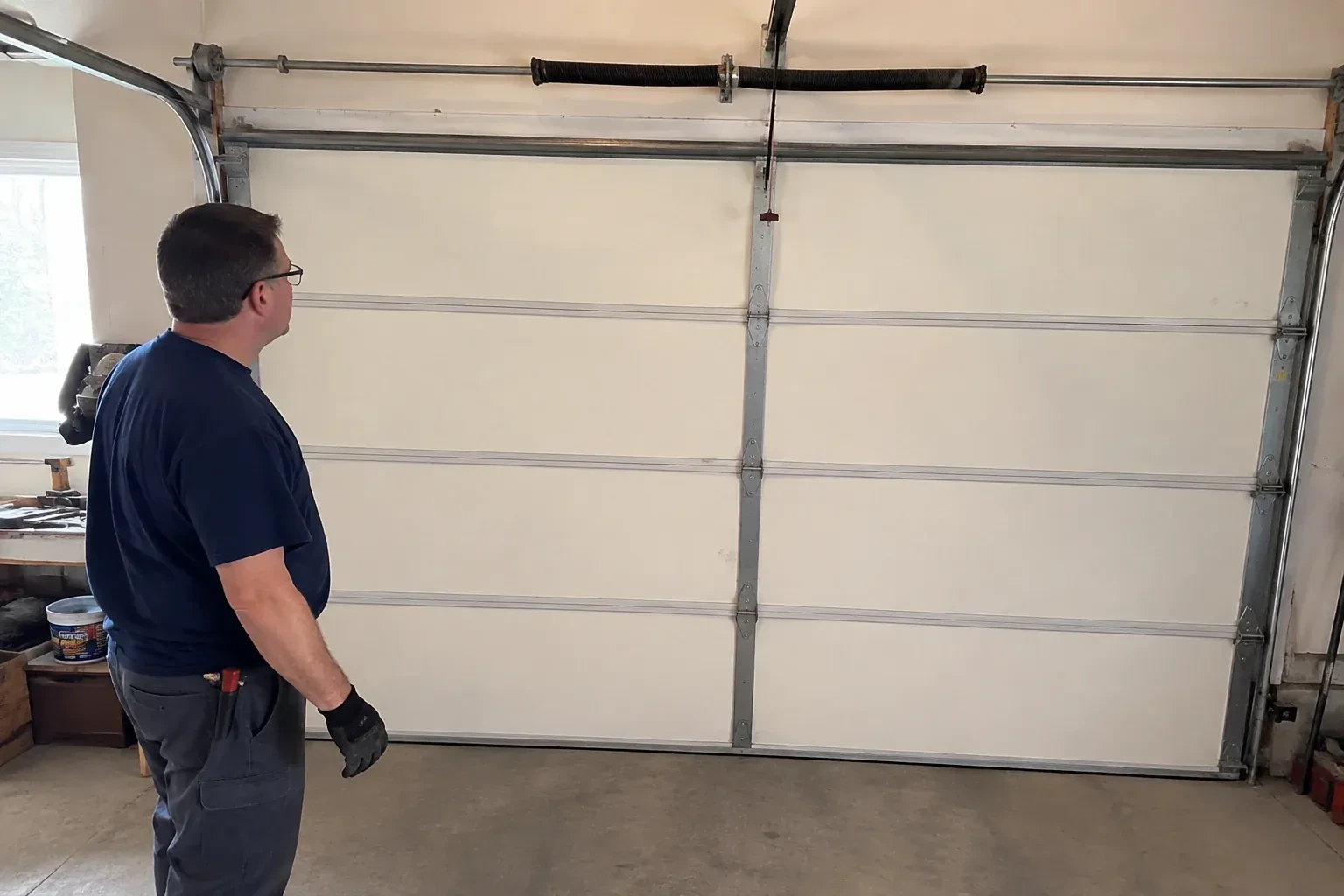
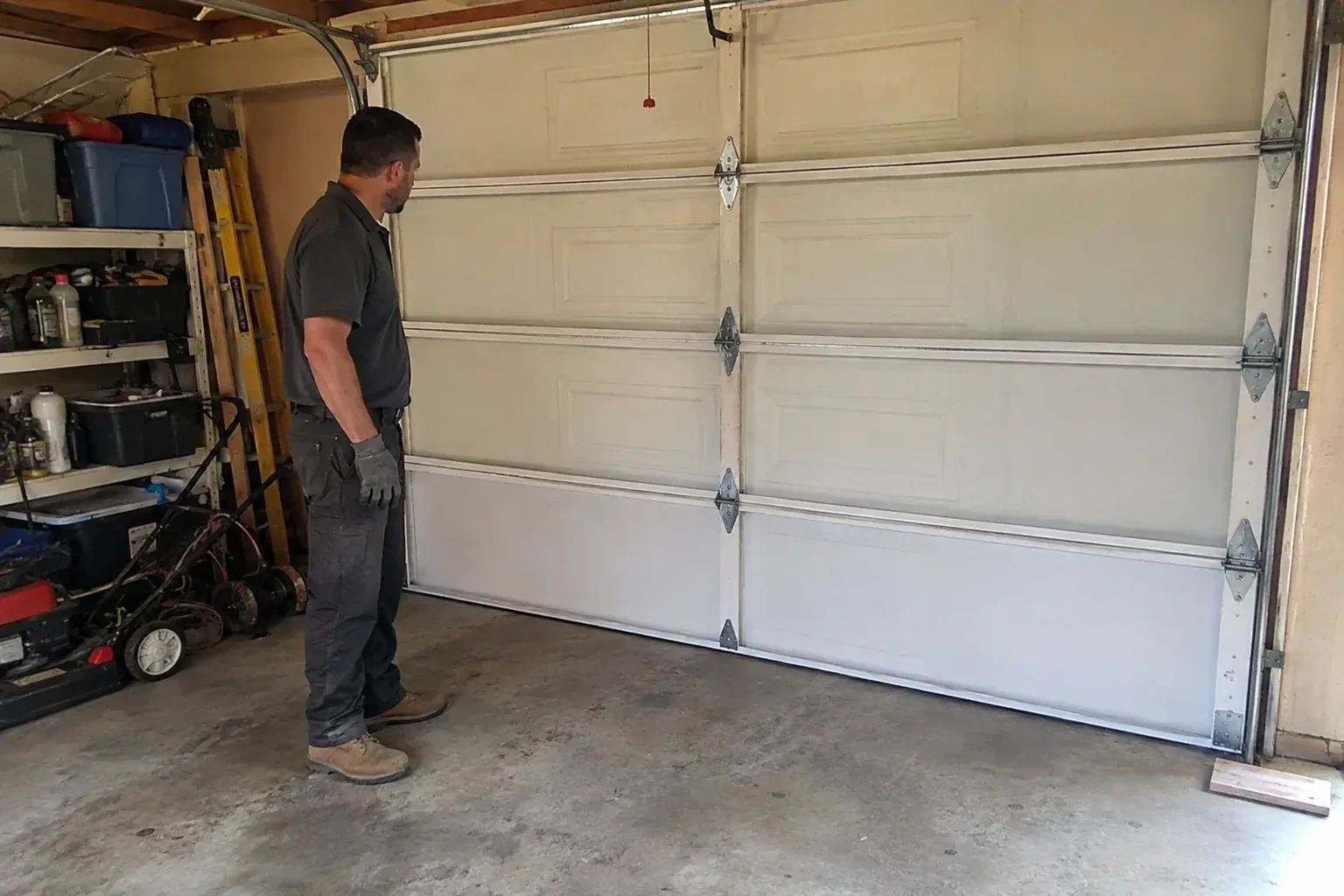
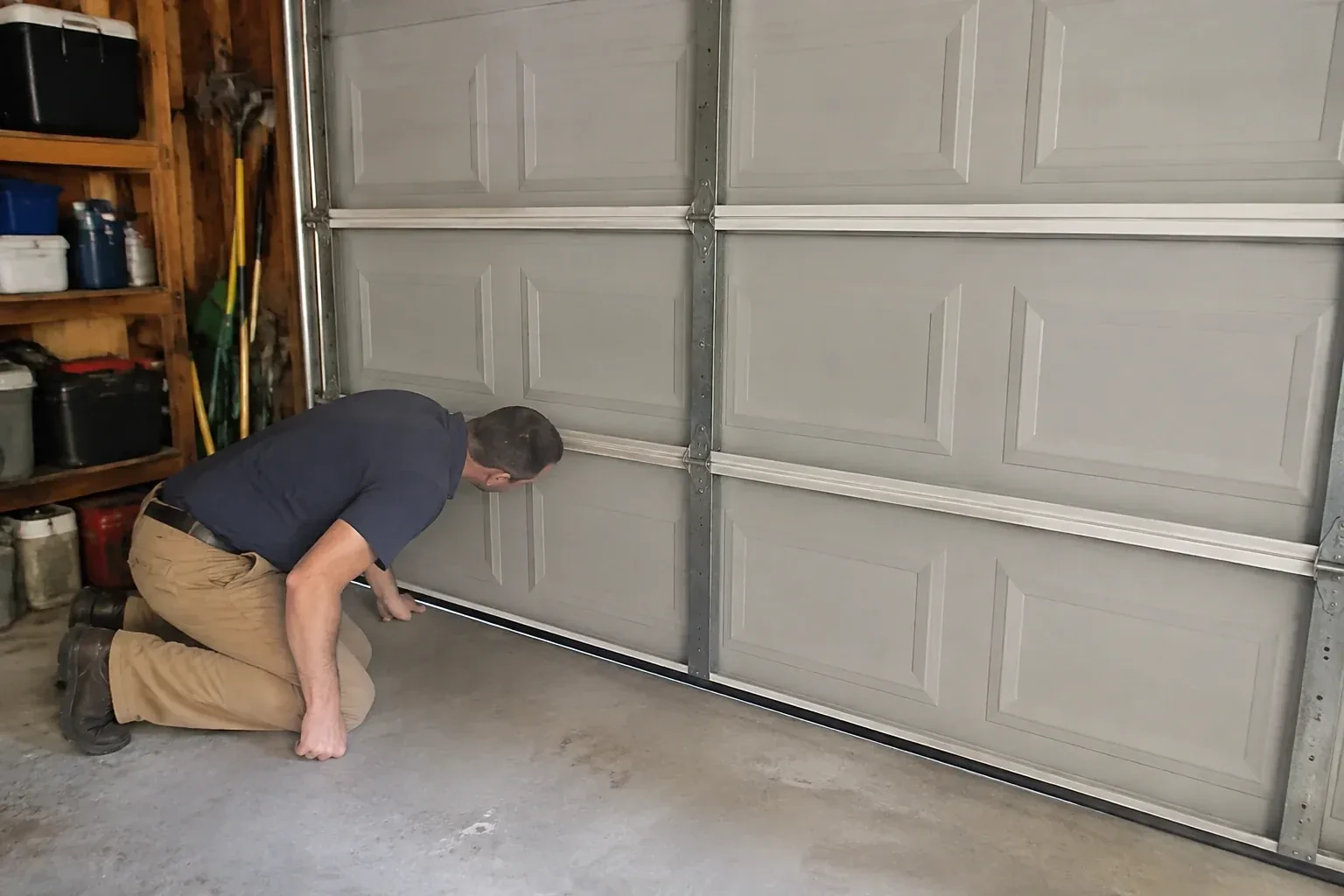
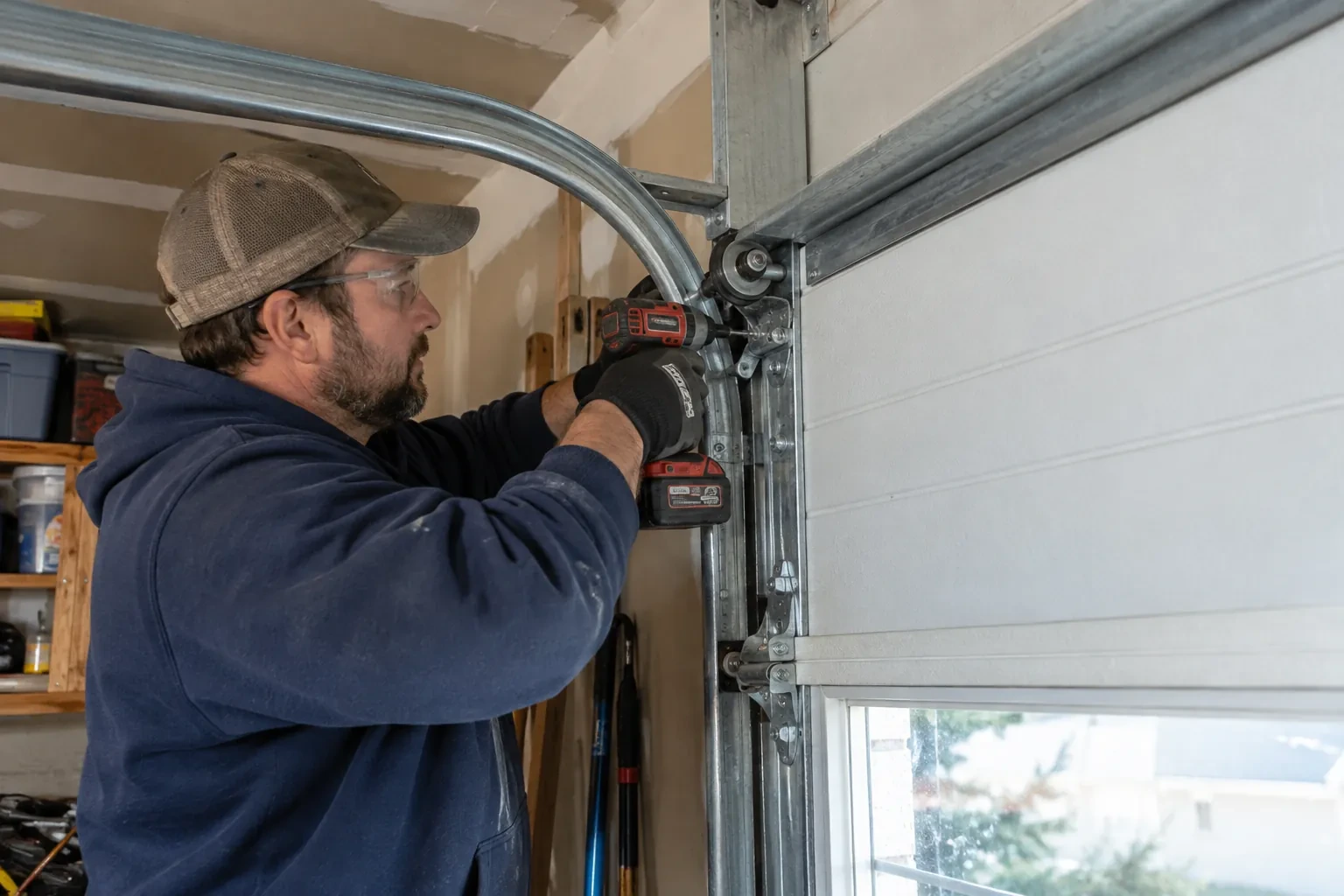
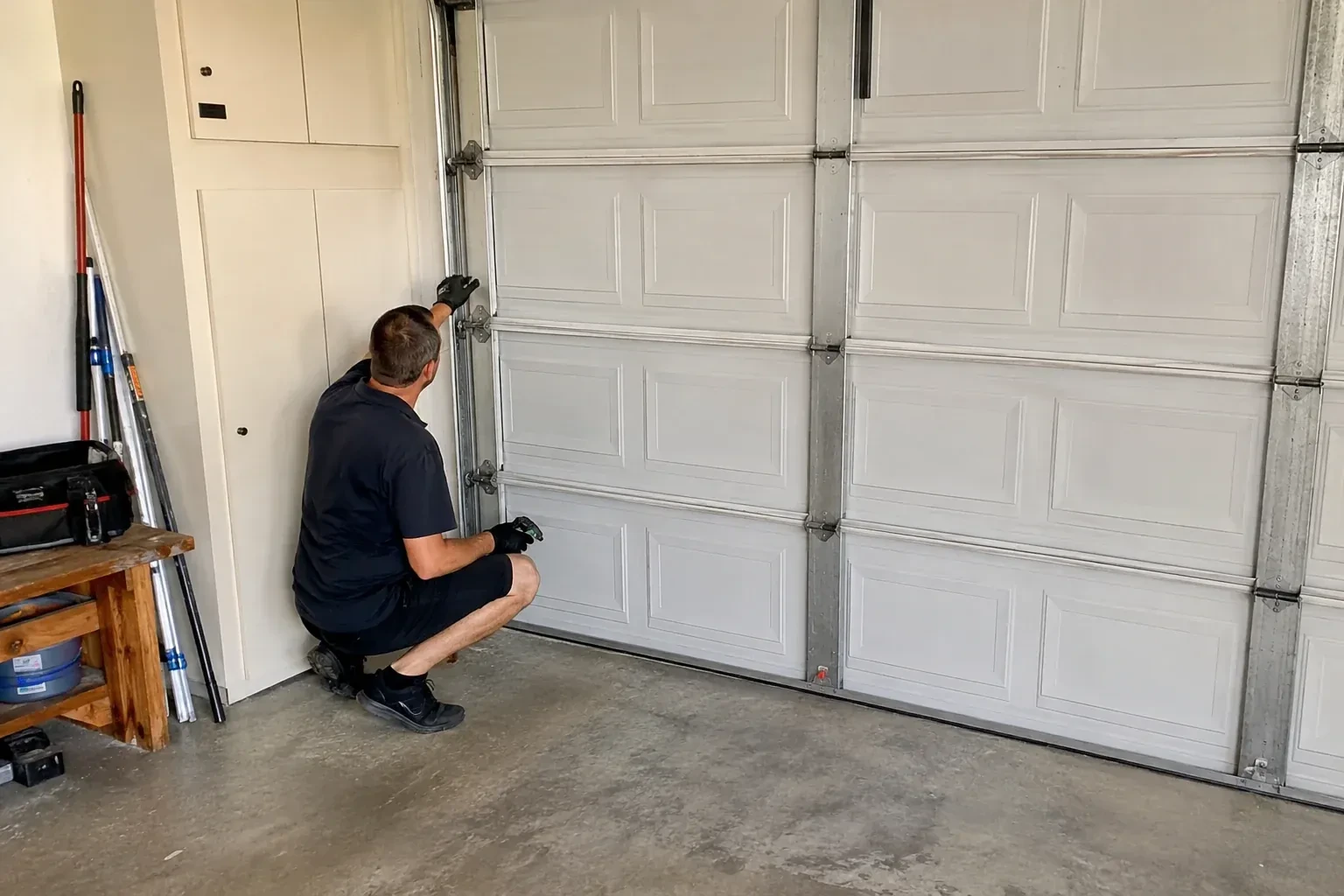
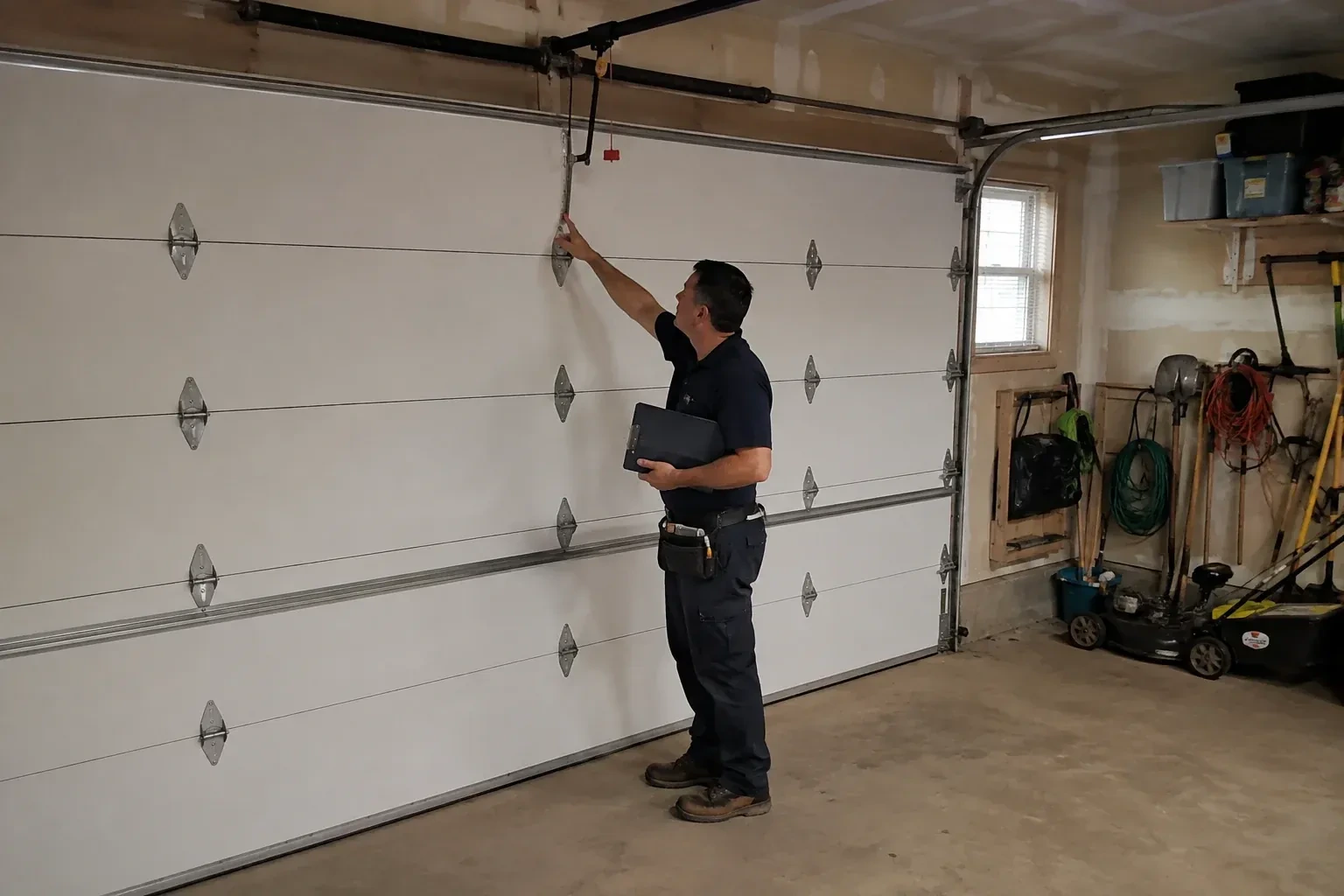
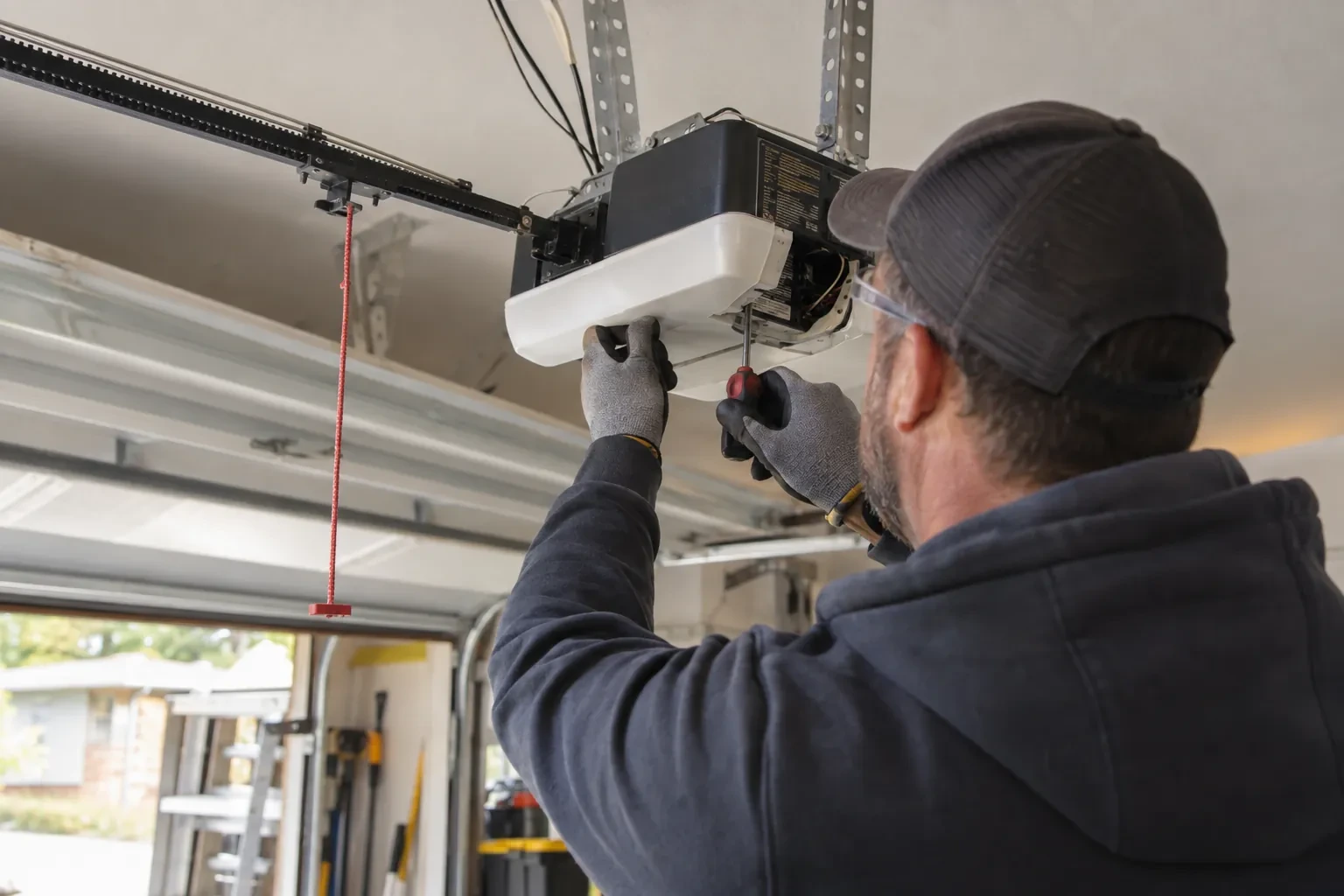
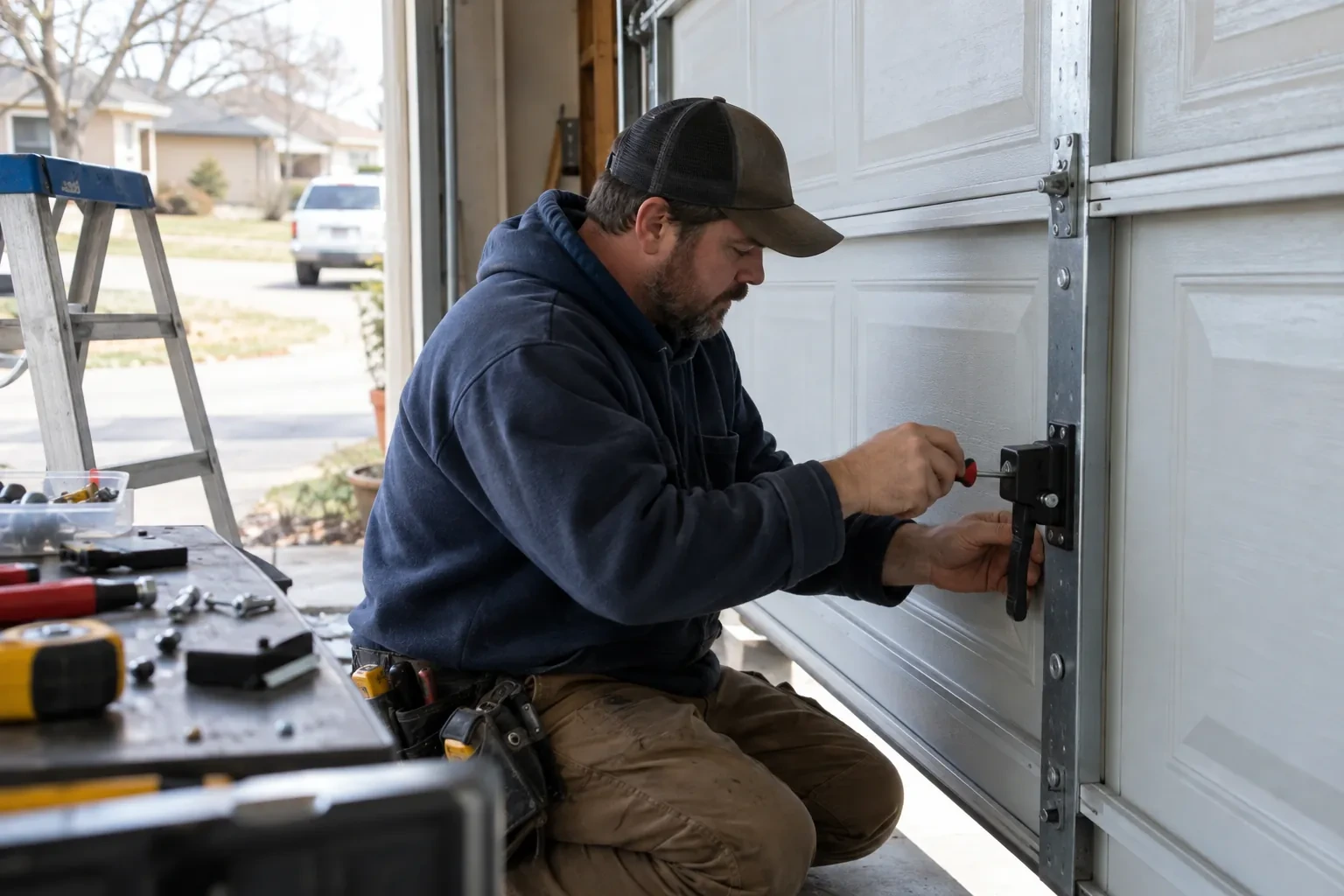
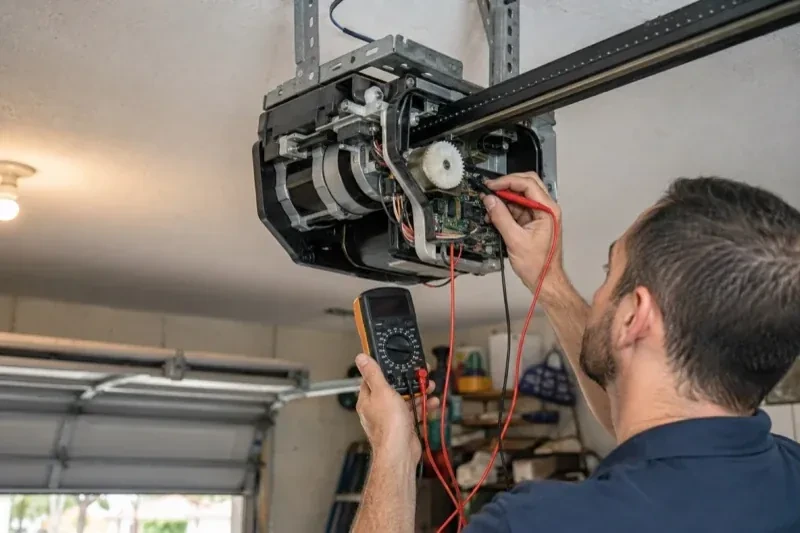
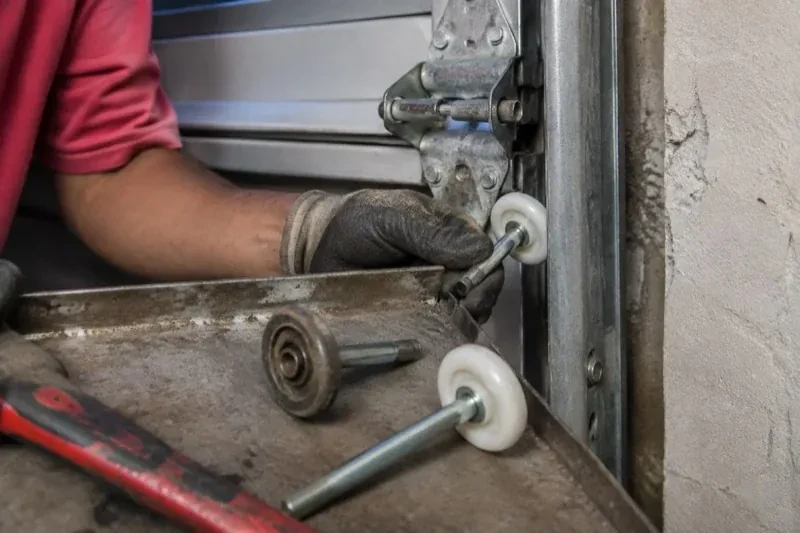
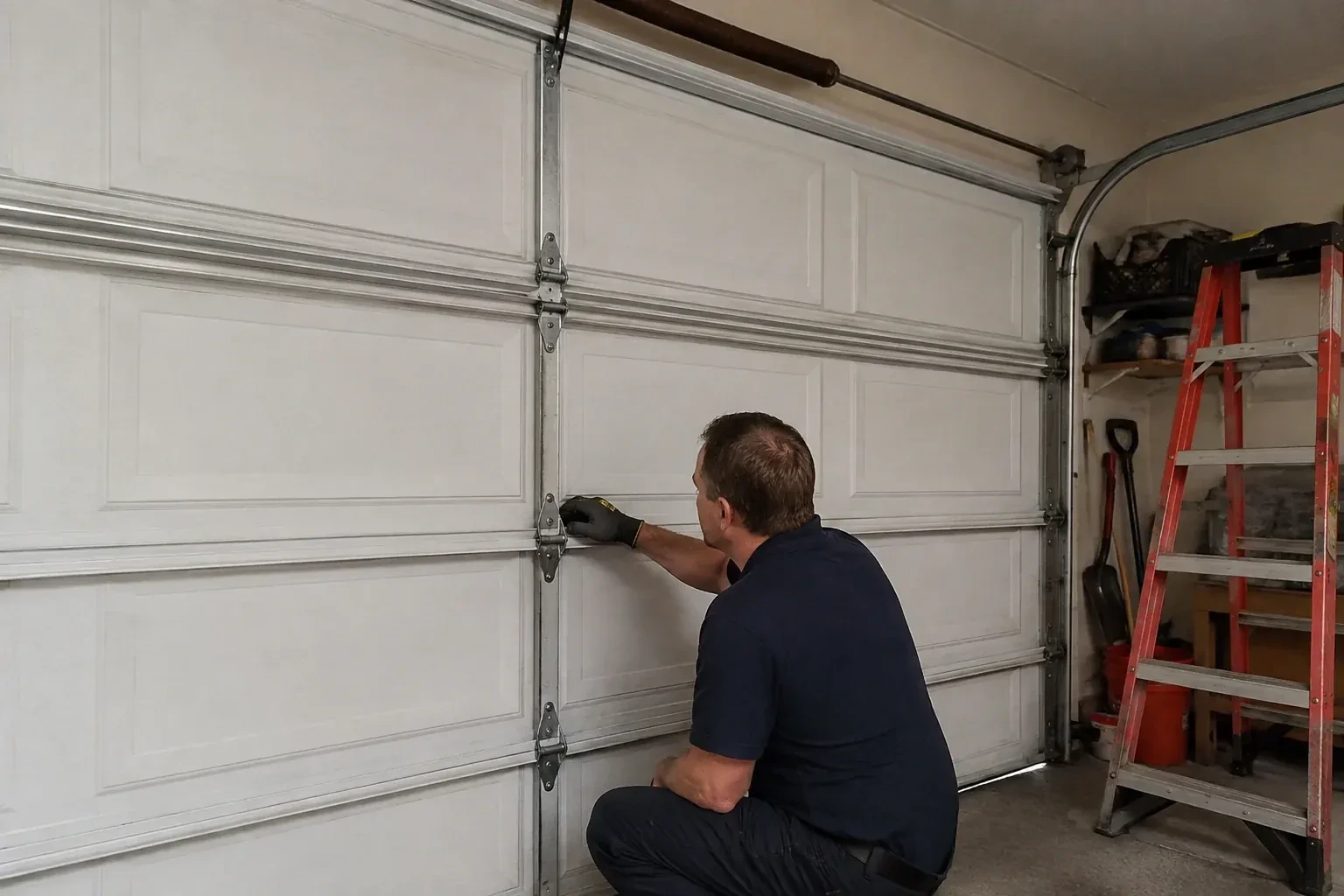
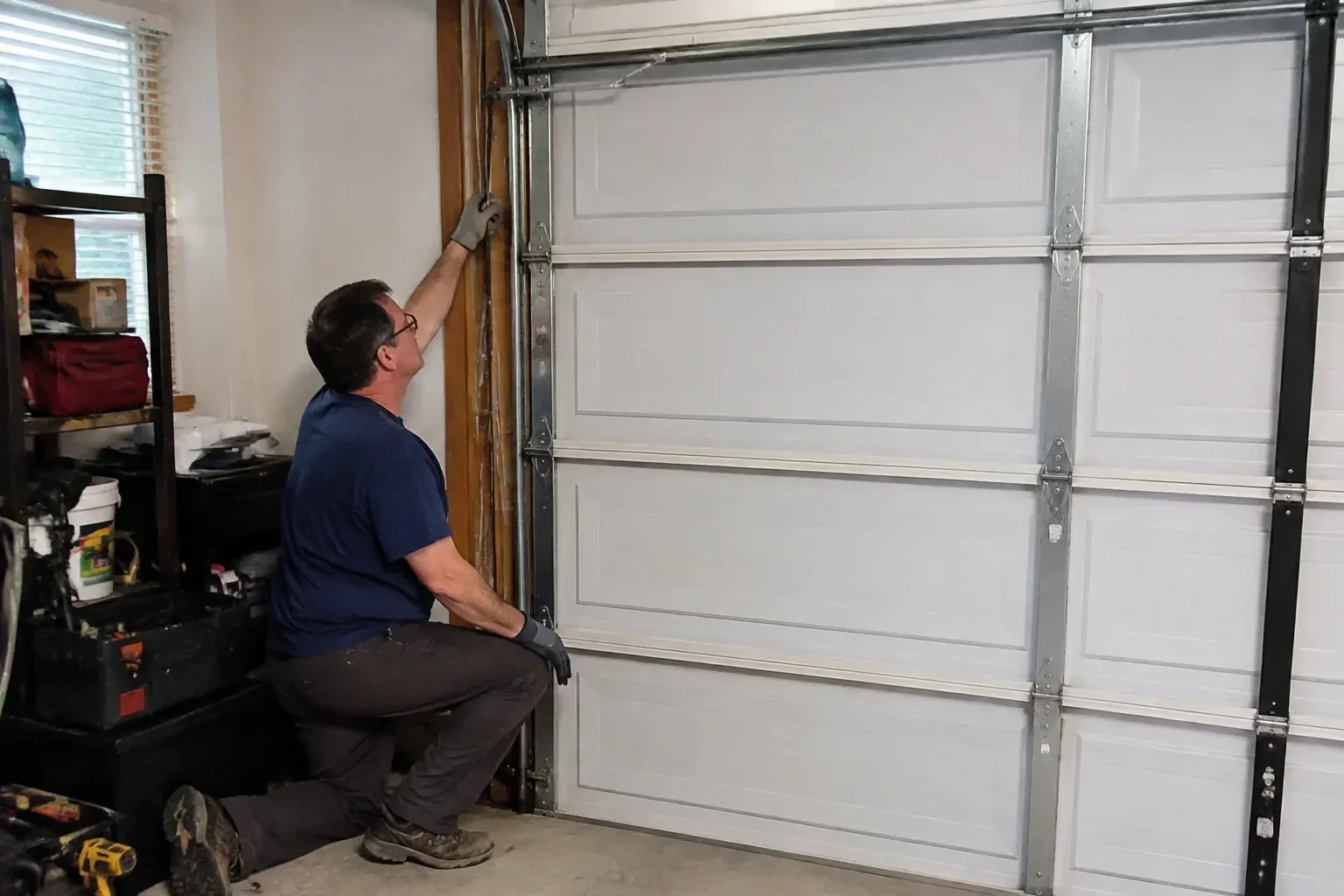
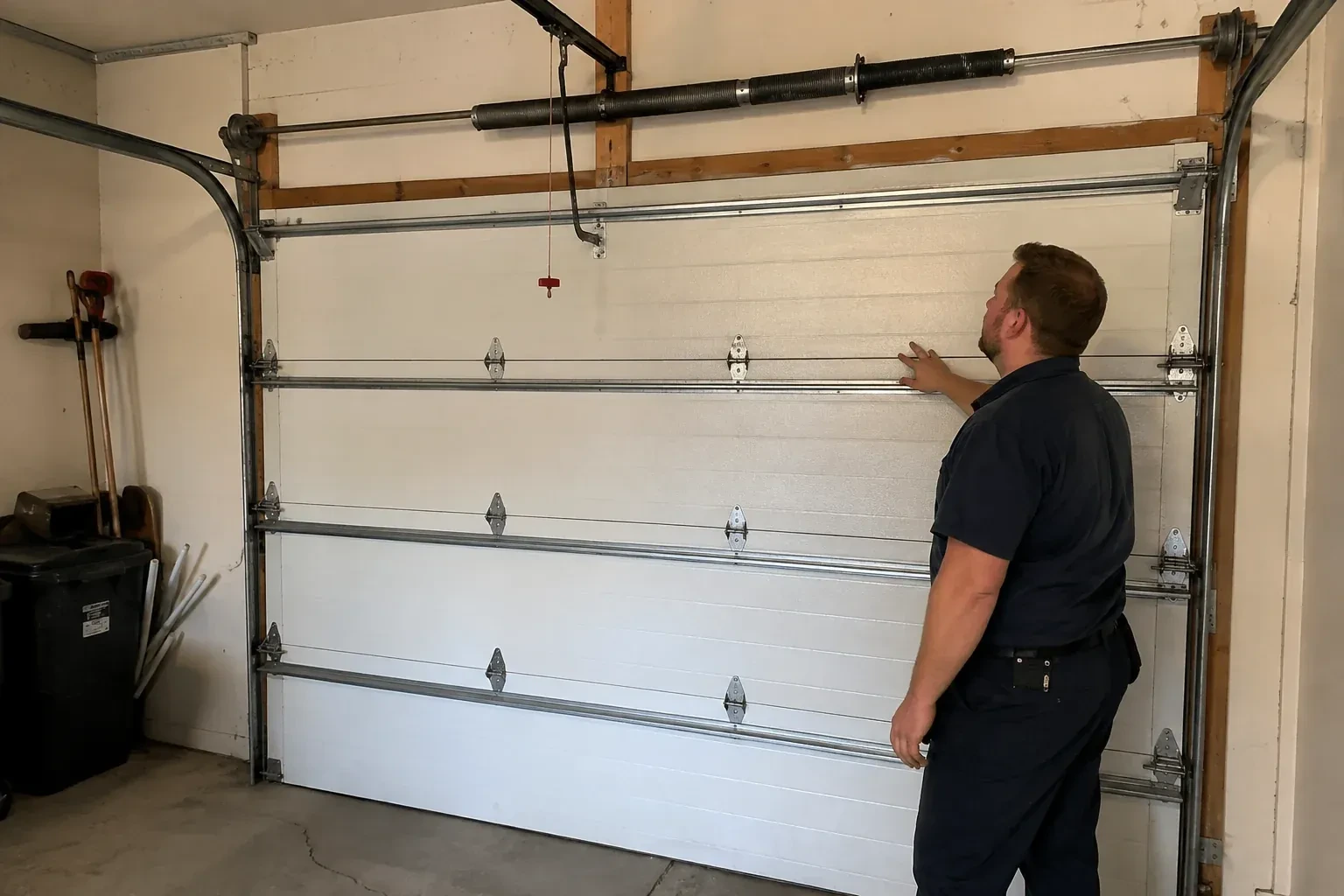
When a technician arrives at a house in Bramalea Woods, the first job is to walk the whole door, from the bottom seal to the header bracket, because the part that made the noise usually has a worn neighbour. Fixing both on one visit means the door stays fixed instead of failing again next month.
When a technician arrives at a house in Bramalea Woods, the first job is to walk the whole door, from the bottom seal to the header bracket, because the part that made the noise usually has a worn neighbour. Fixing both on one visit means the door stays fixed instead of failing again next month.
Open, close, repeat, for years.
When you call about a garage door in Bramalea Woods, a technician comes to the house, looks at the whole door and tells you what he found before anything is taken apart. The cost is worked out on site from that assessment rather than guessed from a description, and the fee is the same whatever hour the visit happens to fall in.
From spring replacement to brand-new insulated doors, we cover the whole garage door trade for homes and businesses in Bramalea Woods. The vans carry the common springs, cables, rollers, hinges, seals and opener parts, so most repairs are completed on the first visit. Larger jobs, like a new door or an unusual opener, are planned with you and scheduled to suit your household.
21years in business
24/7open every day
The diagnosis first. No work begins until you have heard what we found and agreed on the plan. That is how we avoid surprises on both sides.
A clean finish. Grease wiped from the tracks, hardware tightened, tools packed, the space swept. Tidy work is part of doing the job well.
Options explained side by side. A modest repair, a lasting one, a full replacement: you see how they compare so the choice is yours to make.
Request a visit for a stuck or noisy door in Bramalea Woods.
A garage door in Bramalea Woods rarely fails all at once. It gets louder, slower or less even first. Our services are arranged so you can act at any point: a tune-up while it is still working, a repair when something lets go, or a replacement when the door has earned its retirement.
About 23% of homes in Brampton were built in 1980 or earlier, according to the 2021 Census.
Newer homes
In neighbourhoods built more recently, most garage doors are sectional steel on torsion springs with a belt or chain opener from the same era. The springs on these doors are rated for a set number of cycles, and many are now reaching the end of that first life.
Single-detached houses make up about 53% of homes in Brampton (2021 Census).
A neighbourhood with a mix of detached houses and townhouses or condos means a technician moves between a wide family double door and a narrow single in a row within the same afternoon. The van carries hardware for both, and each visit is planned for that door.
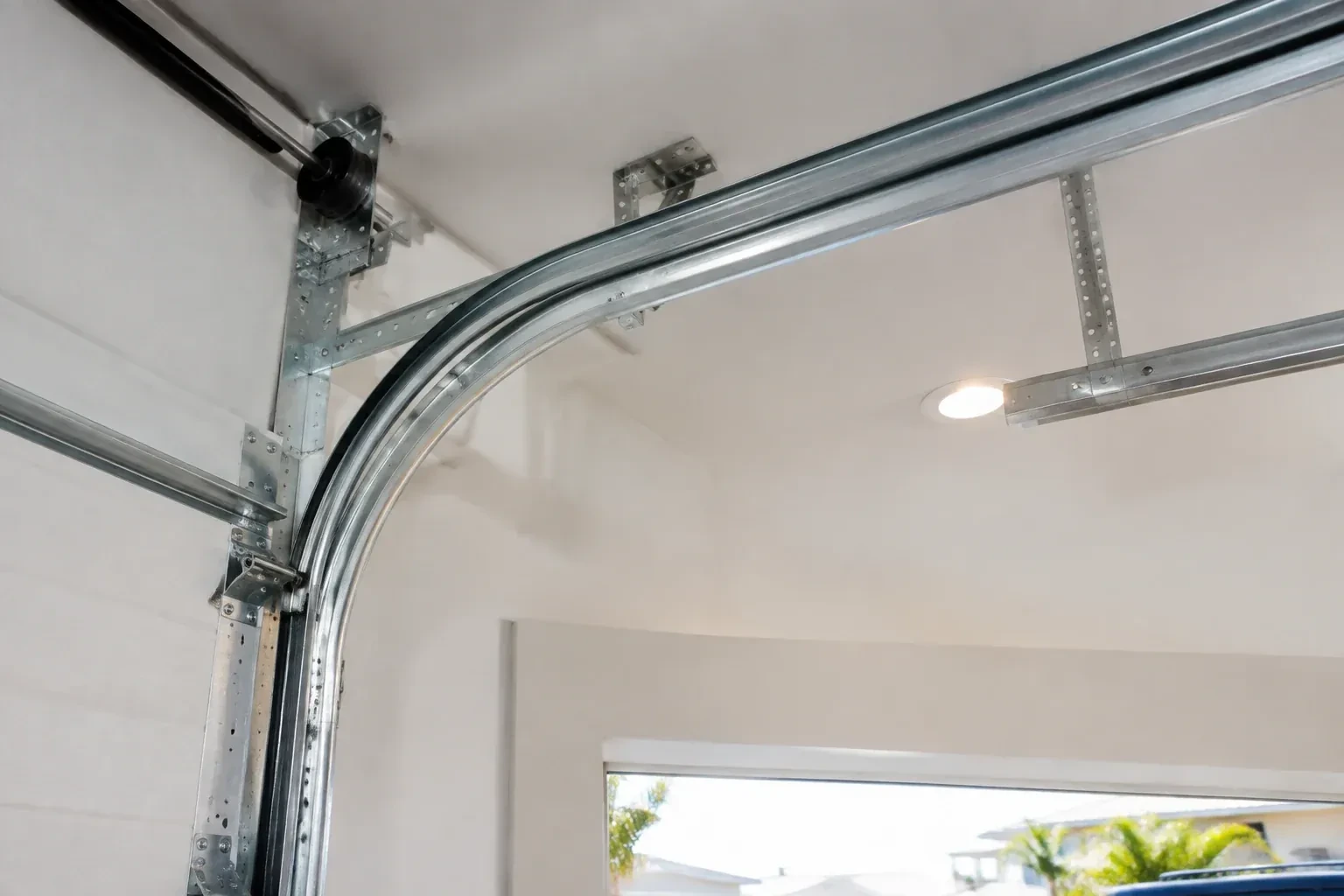
Struts, brackets, hinges and bearings do not lift the door, but they keep the lifting hardware working in a straight line. When they bend or wear, springs and cables suffer. We include them in every hardware assessment.
Matching the door to the house is not an accident. Proportion, panel layout, window placement and colour are chosen together, and we help with the choosing before we get to the installing.
The door goes up perfectly. Coming down is the trouble: partway to the floor it stops, climbs back to the top, and the light on the opener blinks at you.
The motor runs, you can hear it working, but the door never moves. When you look up, the sprocket on top of the head is barely turning, and there is a little drift of pale plastic dust on the cover.
There is a new squeal from the front of the rail, up near the header, on every cycle. The belt has started tracking to one side and its edge is fuzzy where it has been rubbing.
You swapped the old wooden door for a heavier insulated steel one, and the twenty-year-old opener that was kept has never settled. It strains on the way up, stops partway on cold mornings, and the rail shudders with every cycle.
There is a wireless symbol printed on the opener above the car, and the manual mentions an app, but the head unit has never been connected to anything. You downloaded the app once, it asked for a serial number and a network, and the moment passed.
A previous owner knotted the release cord around the rail and stacked storage shelves right beneath it. You only discovered this in the dark, with the power off, a flashlight in your teeth and a car that needed to be somewhere.
Which fix fits?
There was a loud bang from the garage, then silence.
WhyThe finished result is a door that behaves the way a good garage door should: it lifts by hand with light effort, stays where you leave it at mid-height, closes softly and lets the opener run with little strain.
The remote opens the door only when you are almost underneath it.
WhyOlder openers set their code with a row of tiny switches inside the remote and the receiver, and once those remotes stop being made the door seems stranded.
A contractor is coming to work in the garage on Thursday while you are away.
WhyPowered rolling doors add controls and protective devices to the mechanical assembly.
An entrance. Not an afterthought.
1/10Off-Track Garage Door Reset
There was a loud bang from the garage, then silence. The door is jammed a third of the way open, wedged at an angle in the tracks, and the opener light is blinking while the trolley slides uselessly along the rail.
After an overnight freeze the door stuck to the slab, the opener strained, and something gave. The bottom section is bowed inward, one hinge has torn free of its screws, and the rubber seal along the bottom no longer sits flat.
A length of weatherstrip along the right jamb has pulled away, nails and all, and it slaps against the trim every time the wind picks up. The wood behind it is dark and soft where it meets the floor.
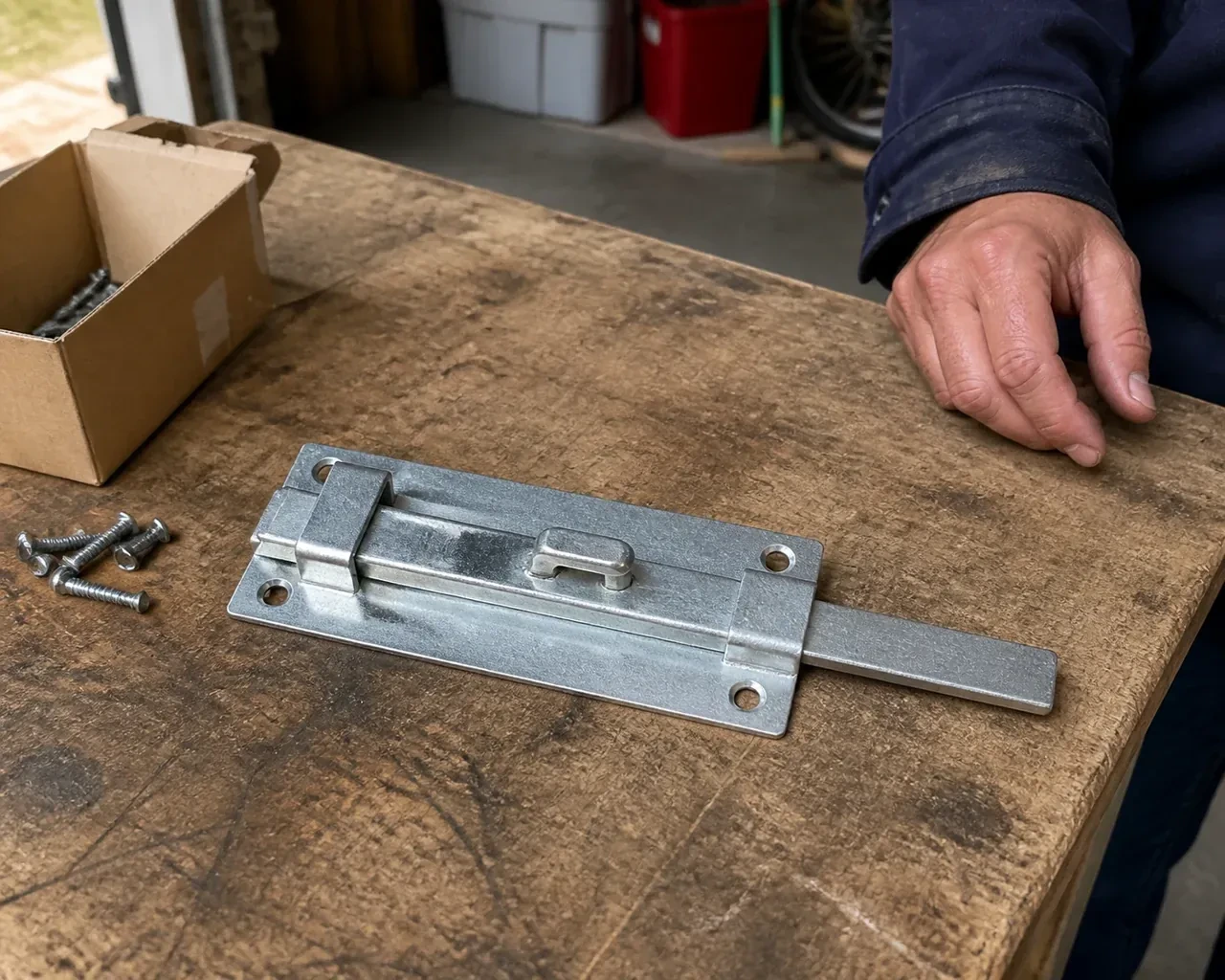
You have just moved in. The garage door carries a proper keyed handle on the outside, but no key came with the house, and the inside slide is painted over. You would like to be able to use it.
After pulling the red release cord, you tried lifting the door yourself and it would barely leave the floor. A door that used to glide up with one hand now takes real effort, which points to the counterbalance rather than the opener.
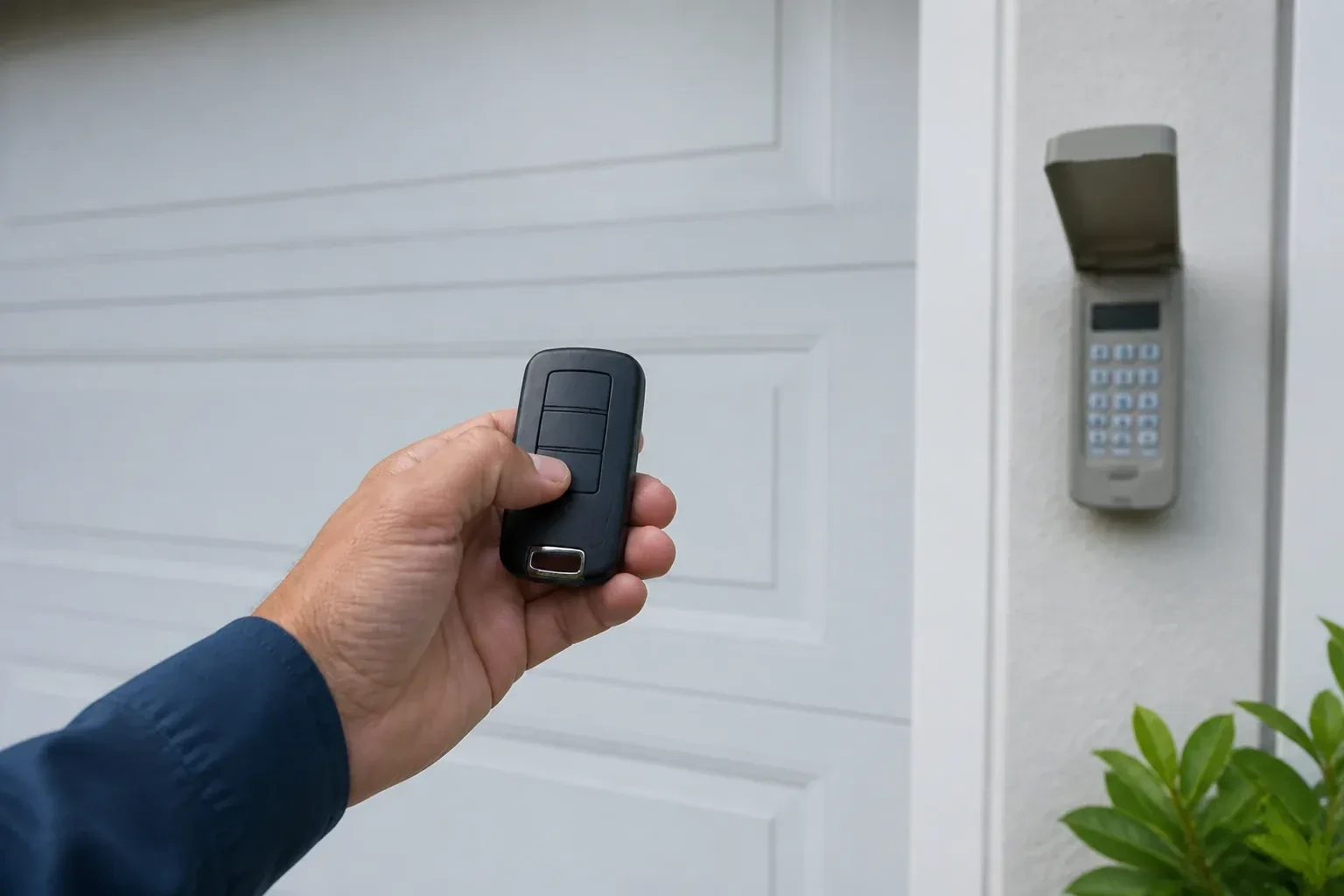
The remote opens the door only when you are almost underneath it. From the end of the driveway you press five or six times and nothing happens. It started around the time the bulbs in the opener were changed to LEDs.
A contractor is coming to work in the garage on Thursday while you are away. Handing over a remote means chasing it back afterwards, and the keypad code is the one your whole family uses. What you want is access that ends when the job does.
You want windows for natural light without turning the garage into a cold glass wall. The glazing layout, insulated sections and door weight all need to be selected as one working system.
The door reaches the floor, then reverses before staying closed. The threshold is clear, but a sensing edge is distorted and one photoelectric sensor has moved out of line with its partner.
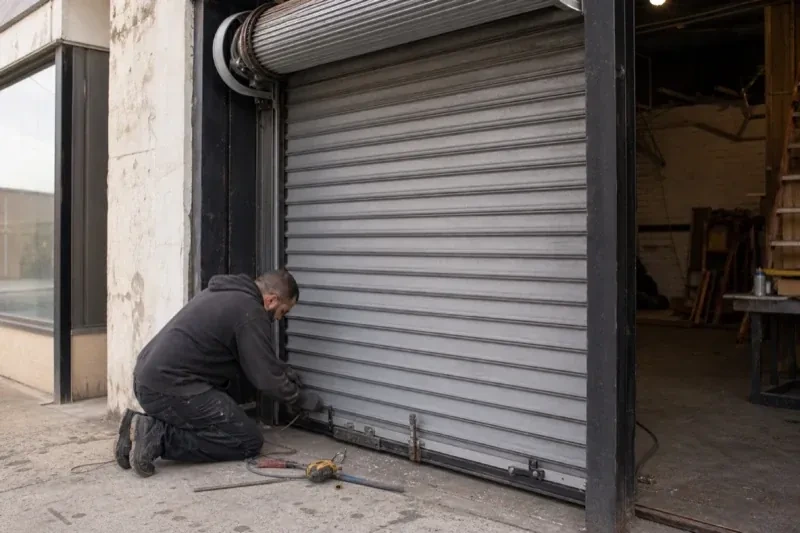
At closing time, the bottom bar reaches the floor on one end while daylight remains under the other. The slide bolts miss their keepers, leaving staff unable to secure the business opening in its usual way.
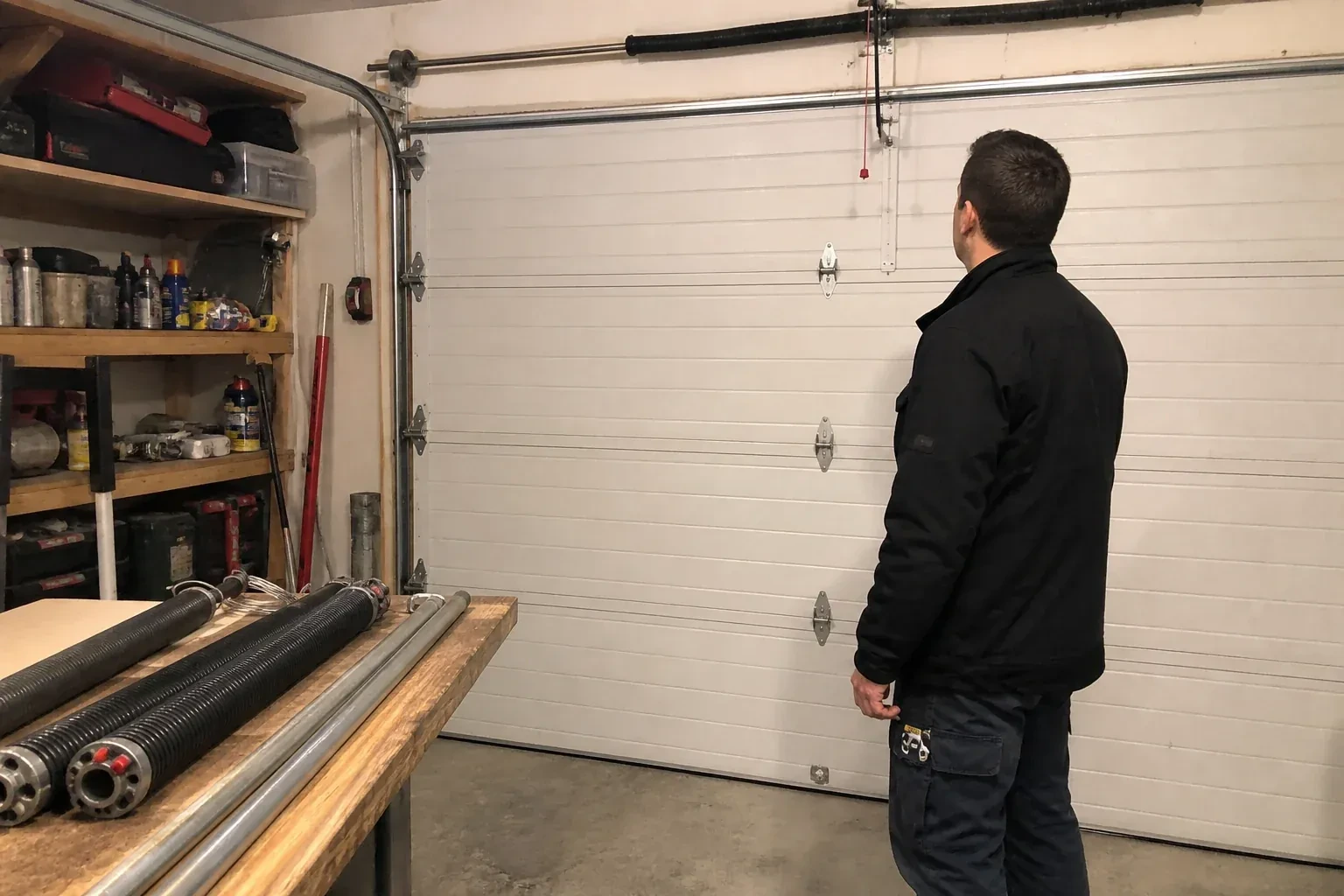
Frequently, in one of two ways. Springs that are worn, broken or mismatched to the door's weight make the opener carry a load it was never meant to, dragging the sections out of line. And whenever cables must be re-seated or replaced, the spring tension has to be released and rewound to do it. The technician assesses the springs at the start and tells you whether they are part of the fix.
What is a strut, and does a new section need one?
A strut is a horizontal steel stiffener fastened across the inside of a section to keep it from bowing. Wide doors, top sections where the opener arm pulls, and bottom sections that take knocks are the usual places for them. If your damaged section had a strut, the new one gets a straight strut refitted or replaced. If a top section bowed because it never had one, adding a strut is part of putting it right.
How can I tell the side and top seal needs replacing?
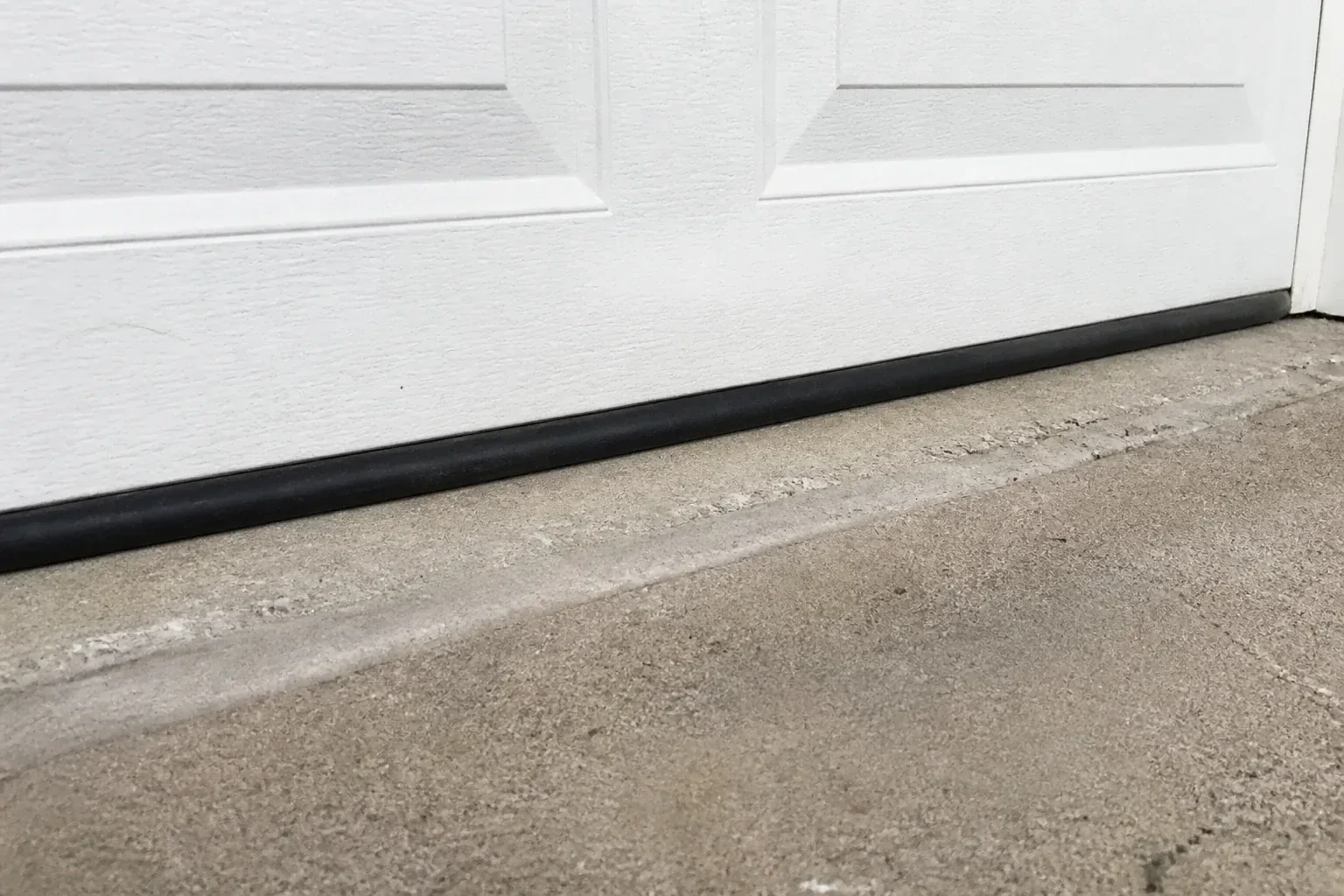
Close the door, turn off the garage lights and look along the edges for daylight. Then press the fin with a thumb: it should be soft and spring back. Hardness, cracks, pieces missing, a strip hanging loose, snow or leaves inside along the edge, or a fin that has folded under and torn are all signs. A rubbing squeal as the door moves is another.
Should the manual lock be removed when an opener is installed?
Opener makers ask for it to be disabled or removed, and the door industry's guidance agrees. Disabled can mean the bars are fixed back or taken out while the handle stays for appearance, or a snap latch is held open on its catch. Keeping a lock live for outages calls for a manufacturer-approved interlock, not a label alone, since a reminder and routine are not treated as a substitute for removing or disabling the bars.
What happens if the header wood or centre bracket is damaged?
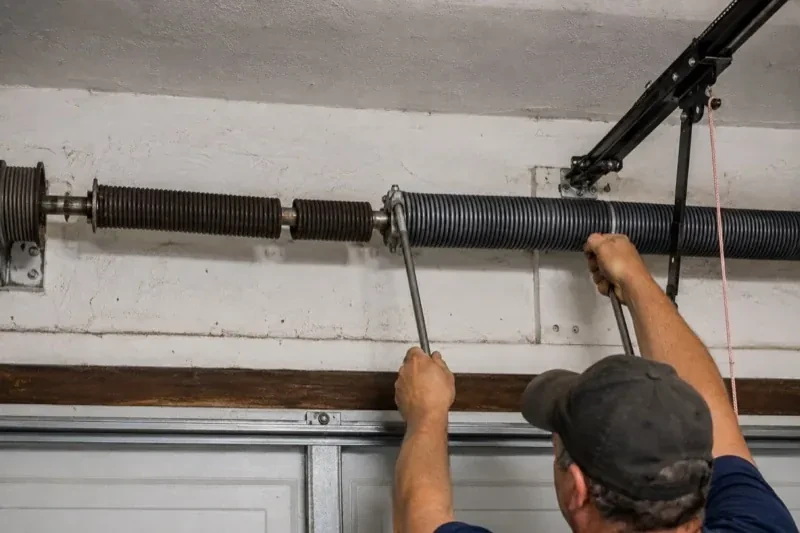
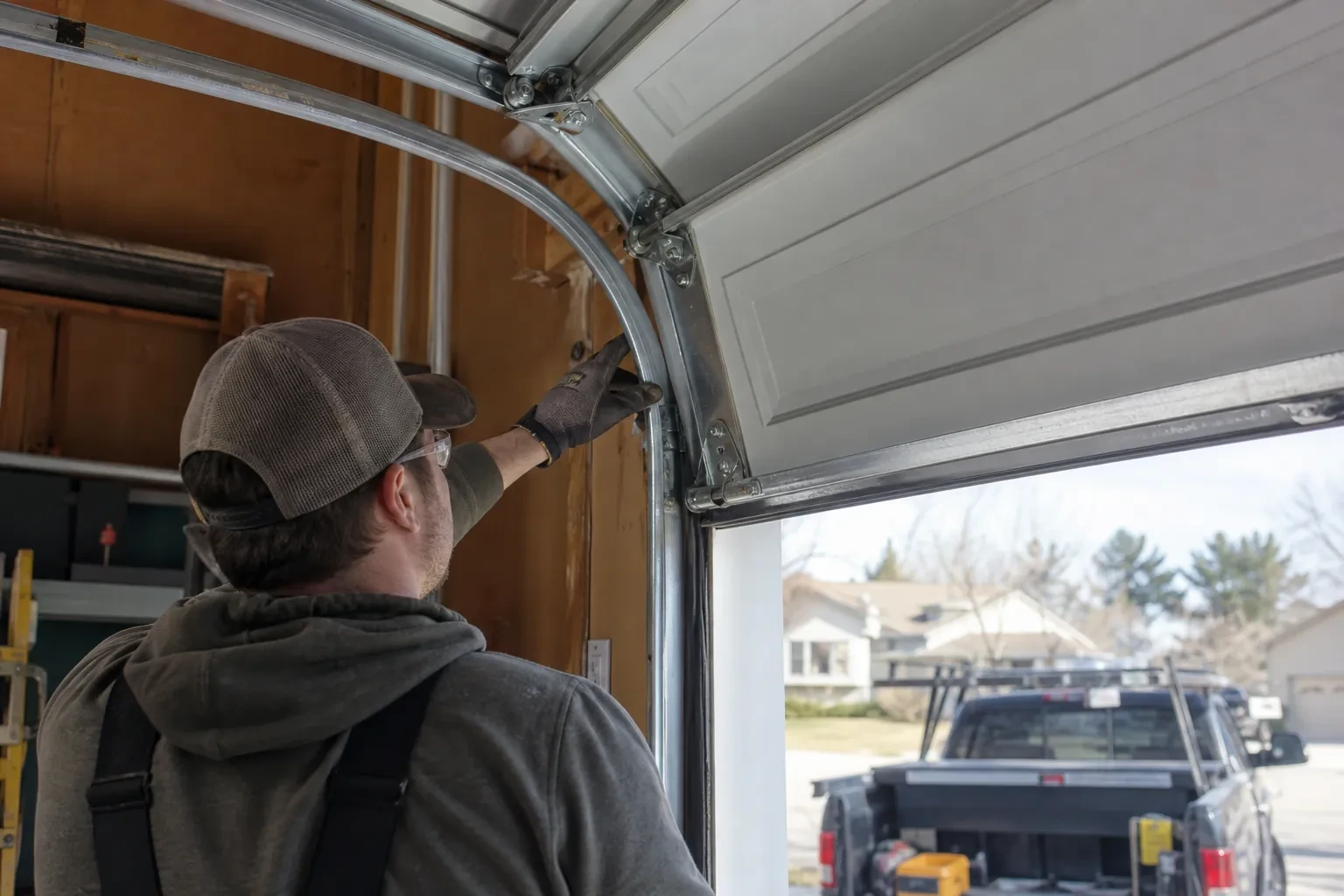
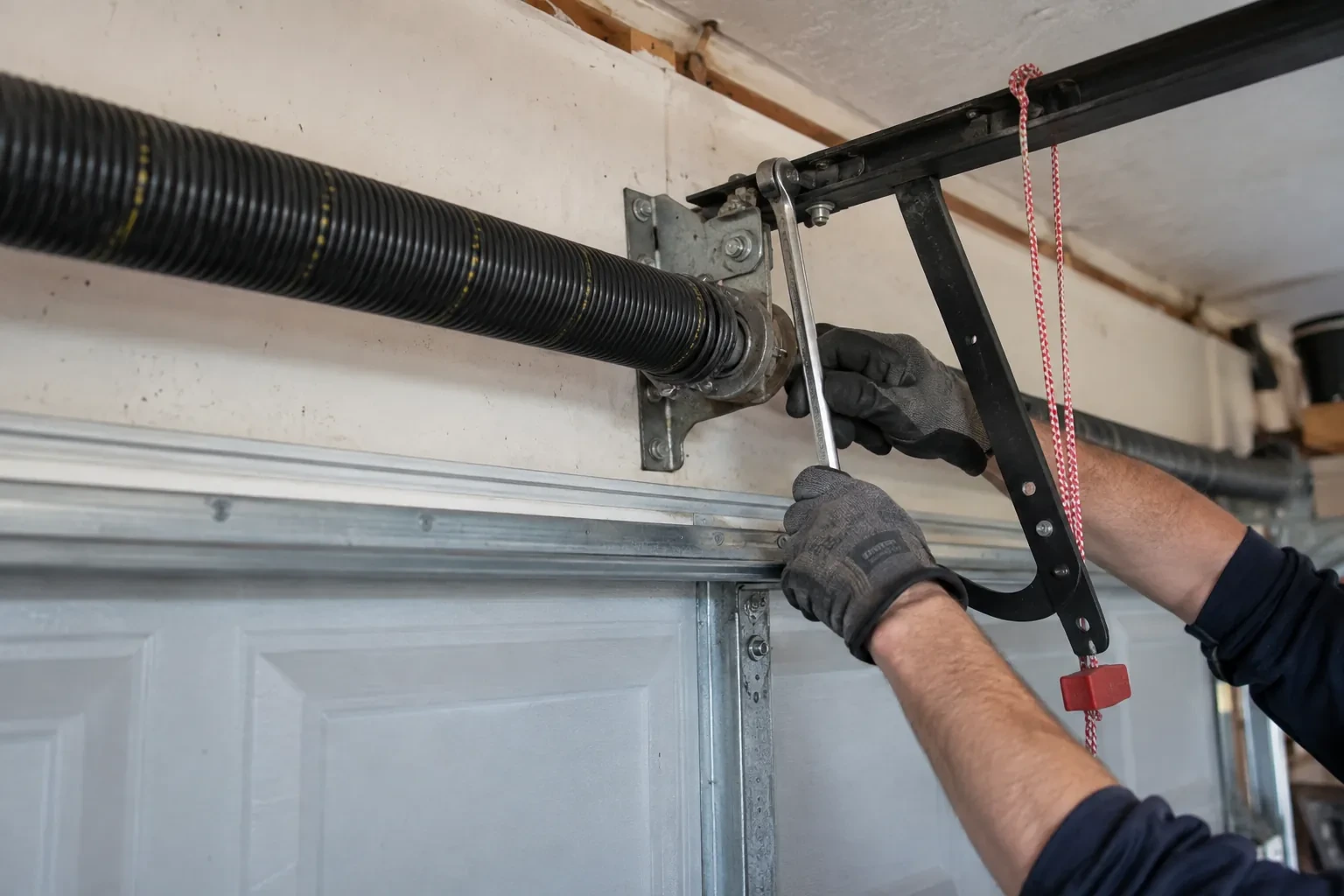
The centre bracket anchors the spring's reaction force to the framing above the door, so it has to be solid. If the header has split or softened, or the lag bolts have pulled, the technician can refasten into sound wood, add a reinforcing plate or replace the bracket before the new spring is wound. Dealing with this first keeps the shaft level and the spring pulling straight, which protects the bearings and the door.
Is the door tested for safety after programming?
Yes, every time. Each new control is operated while the technician watches the door's full travel, then a 2x4 is laid flat under the door and the door must climb back up on touching it, and a broom handle passed through the photo-eye beam during a second close must stop and reverse the door. A remote is a way of moving a heavy door, so the visit ends only when both tests pass.
Where does the door sensor go, and what does it do?
It screws to the inside of the top door section and senses tilt: that panel stands vertical when the door is closed and lies horizontal once the door is open, and the sensor reports the change to the hub by short-range radio. It is placed clear of the opener arm, lock bar and handles, on a flat part of the panel, then paired and proven through full cycles under the maker's own setup procedure so the status in the app is reliable.
Should I choose one steel skin or two?
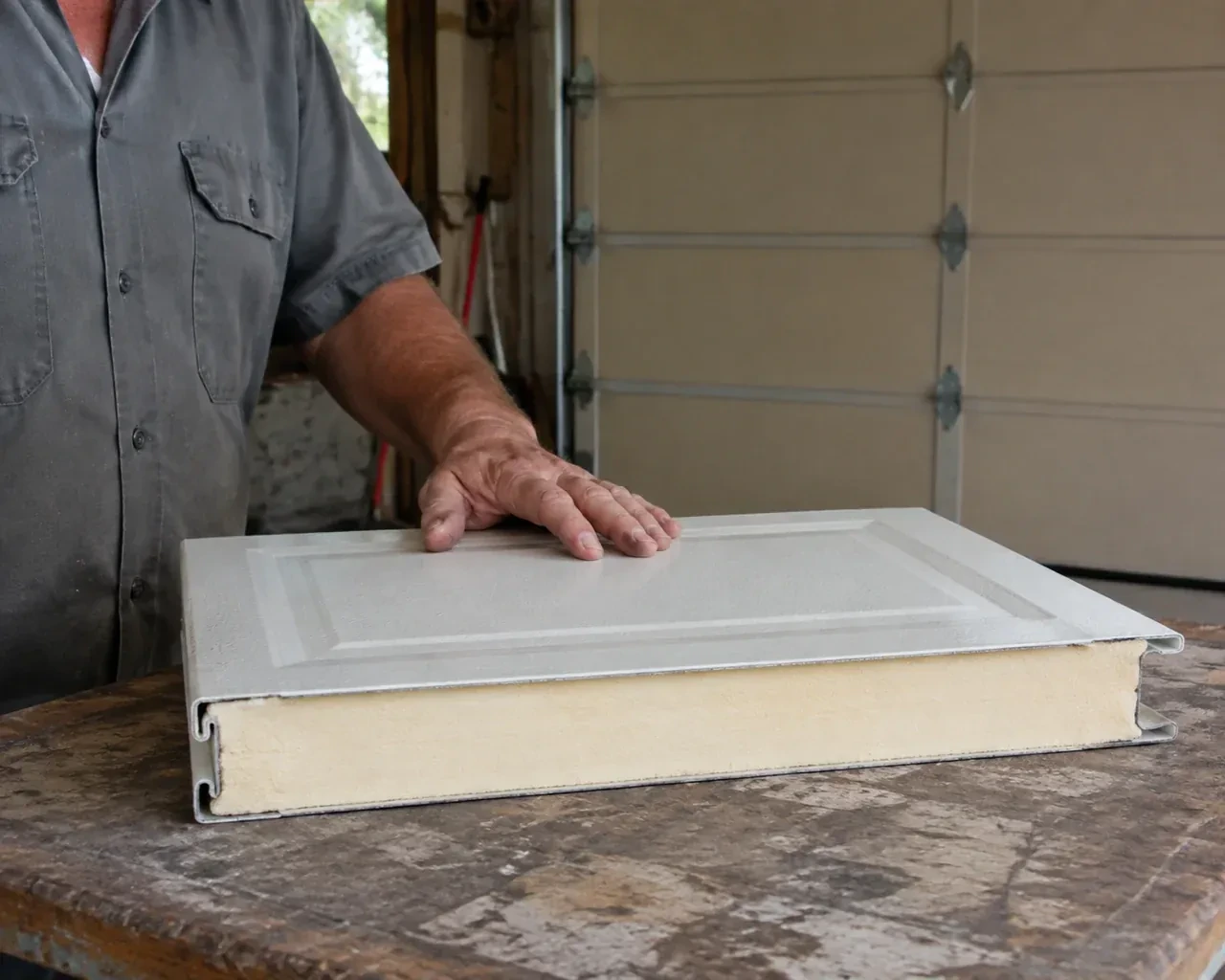
The choice depends on how the garage is used and how much interior durability matters. A door with interior and exterior steel faces encloses the insulation and provides a finished surface inside. Other constructions may suit spaces with lighter use. Compare section rigidity, insulation description, interior appearance, care needs and the manufacturer's documented performance for each complete product.
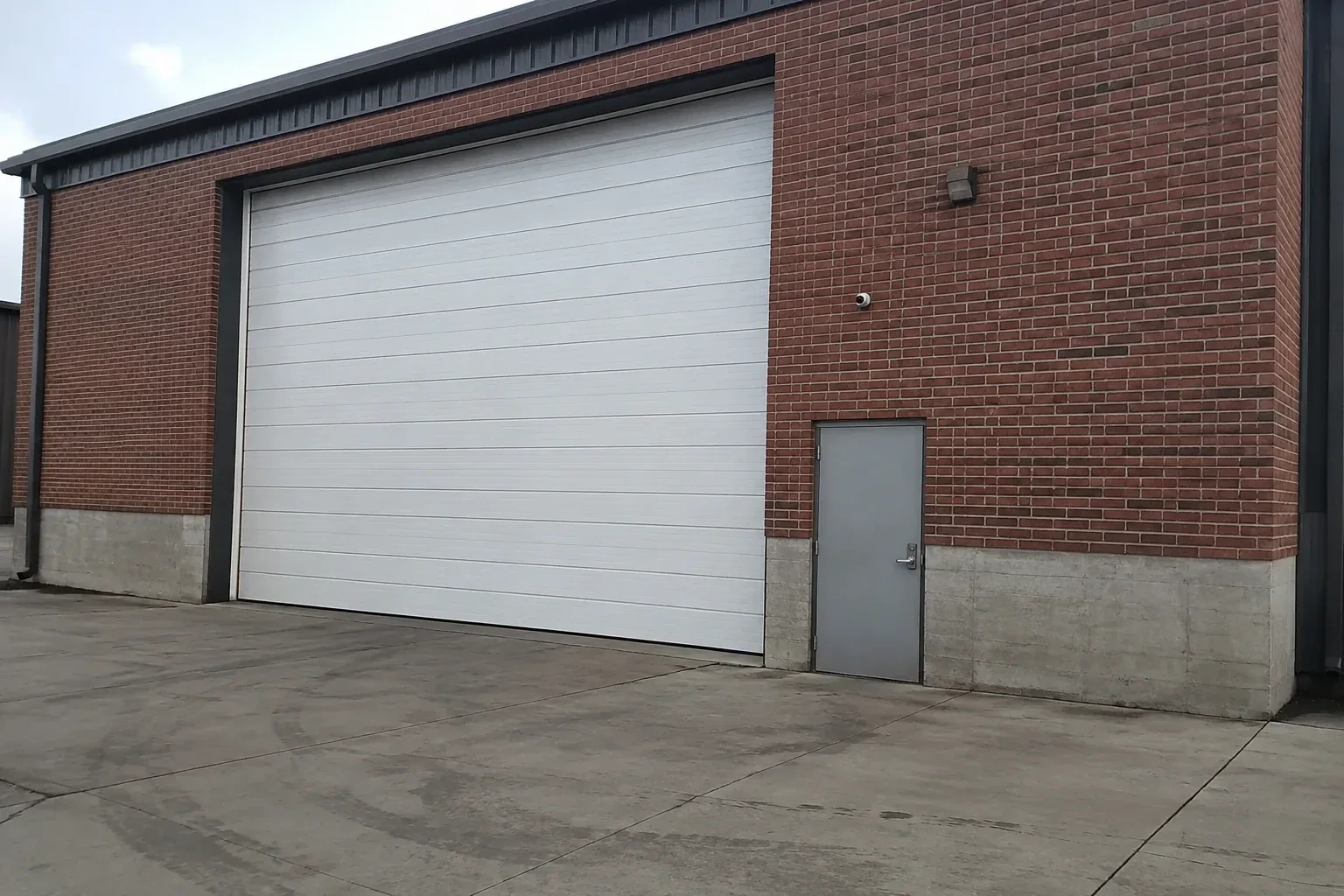
What causes a commercial sectional door to become noisy?
Common sources include roller-bearing wear, loose hinges, dry pivots, a rubbing panel, track movement, shaft-bearing wear and operator-chain vibration. The point in the cycle where the sound occurs helps isolate it. A technician watches and listens during controlled travel, looks for play or contact marks, and services the component creating the repeatable noise.
What information helps before the visit?
Useful details include the opening size, curtain material, manual or powered operation, model labels, current door position, recent impact or weather event and the exact point where travel changes. Photos of the full opening, bottom bar, controls and labels can clarify the system. Mention a fire-protection label at the outset so that scope is recognised.
Request a visit
When you call about a garage door in Bramalea Woods, a technician comes to the house, looks at the whole door and tells you what he found before anything is taken apart. The cost is worked out on site from that assessment rather than guessed from a description, and the fee is the same whatever hour the visit happens to fall in.