New Doors · Brampton
Commercial Rolling Door Repair
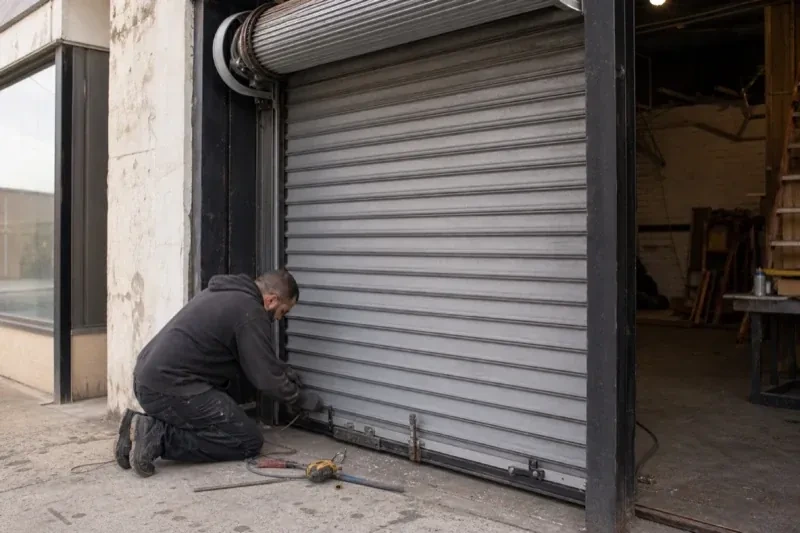
Cold-weather moisture has frozen the bottom seal to the sill, and salty grit has collected along the guide entrances.
In plain words
The useful decision is not simply repair versus replacement; it is which path fits the identified curtain, structure, duty and operating system. Localised slat, guide, seal, chain or control faults often support a component repair. Widespread curtain distortion, repeated impacts, worn major assemblies or an operator that no longer suits the door's use may justify a broader plan. Measurements, model information, fire-rating status and the condition of connected parts make that choice concrete. The quote can then separate the current authorised work from optional improvements such as added vehicle detection, guarding or revised controls.
How the visit goesThe rolling door starts upward, then one side rises ahead of the other. Its bottom bar sits on an angle, several slats scrape the guide, and the opening is no longer clear enough for normal shipping traffic.
Commercial Rolling Door Repair
How the visit goes
Measure guides and building attachment
Guides need consistent clearance and solid support to direct a rolling curtain. Their gap is compared from floor to head, both sides are checked for plumb and parallel, and the bellmouths and stops are examined where the curtain enters. Wall angles, bracket connections, anchors and the surrounding jamb are reviewed for looseness, corrosion or movement after an impact. A door can have straight slats and still bind when the opening has shifted around it. Measuring the support surfaces separates a door-component repair from structural or masonry work that needs its own responsible party.
Realign guides and attachments
Bent or shifted guides are corrected from measured reference points rather than by forcing the curtain through them. The technician establishes the required gap, plumb and parallel relationship, then straightens or replaces authorised guide components and restores loose wall-angle or bracket fasteners. Bellmouths are shaped to receive the curtain cleanly, and guide stops are secured. If damaged masonry, steel framing or a moved jamb prevents reliable attachment, that condition is separated for the appropriate building work. Once the supports are sound, the curtain is centred and moved gradually to confirm even clearance on both sides.
A maintenance baseline for the facility
The completed service record becomes the starting point for routine door care. It can list the installed door and operator, repaired components, observed wear, test results and the manufacturer's inspection interval. Facility checks focus on visible conditions: new rub marks, loose fasteners, damaged slats, uneven bottom-bar position, frayed wiring, dirty sensor faces and changes in sound or operating effort. Spring tension and internal repairs remain technician work. Scheduling periodic inspection around the actual cycle count, exposure and manufacturer guidance makes future conversations specific and allows small changes to be compared with a known condition.
Commercial Rolling Door Repair
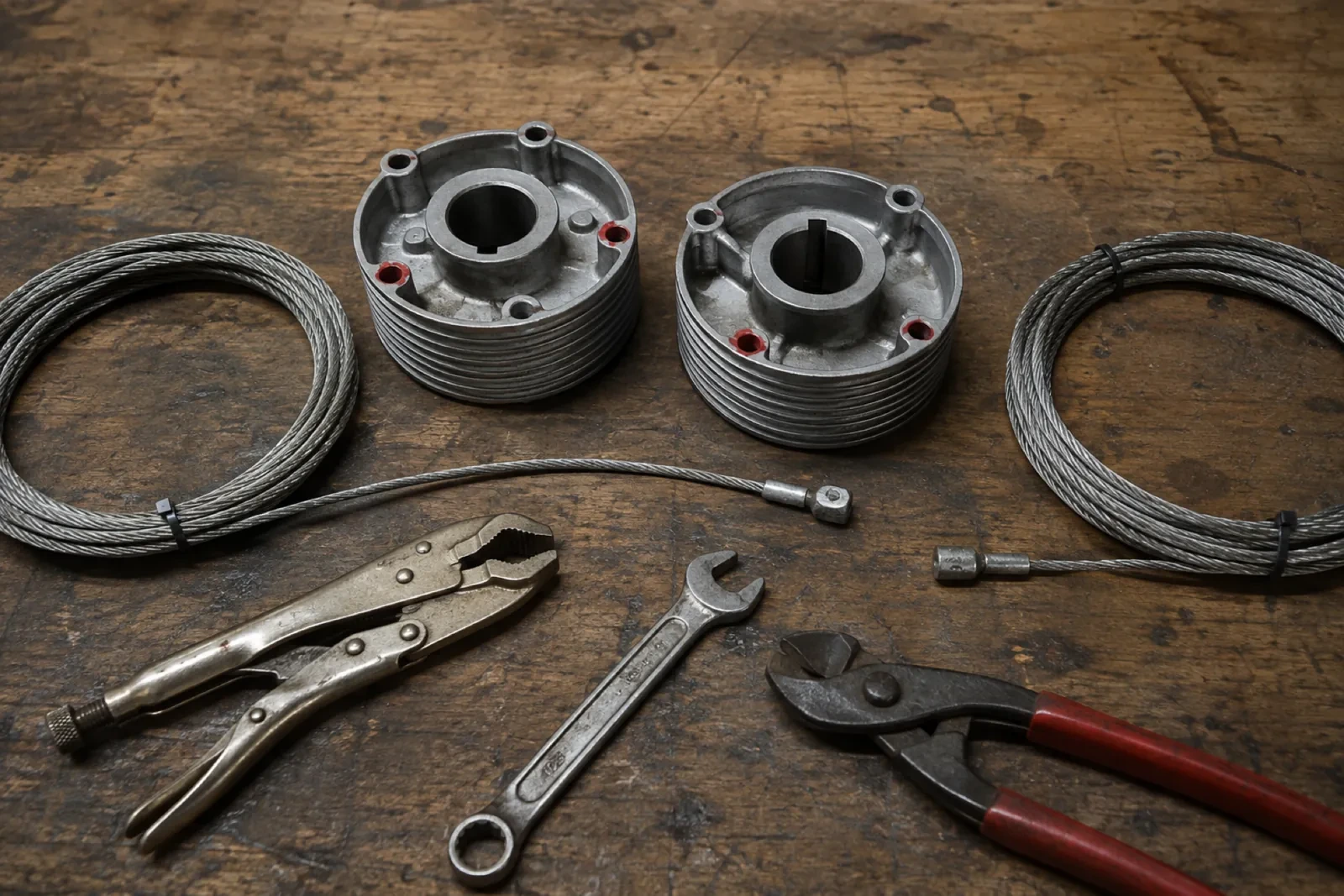
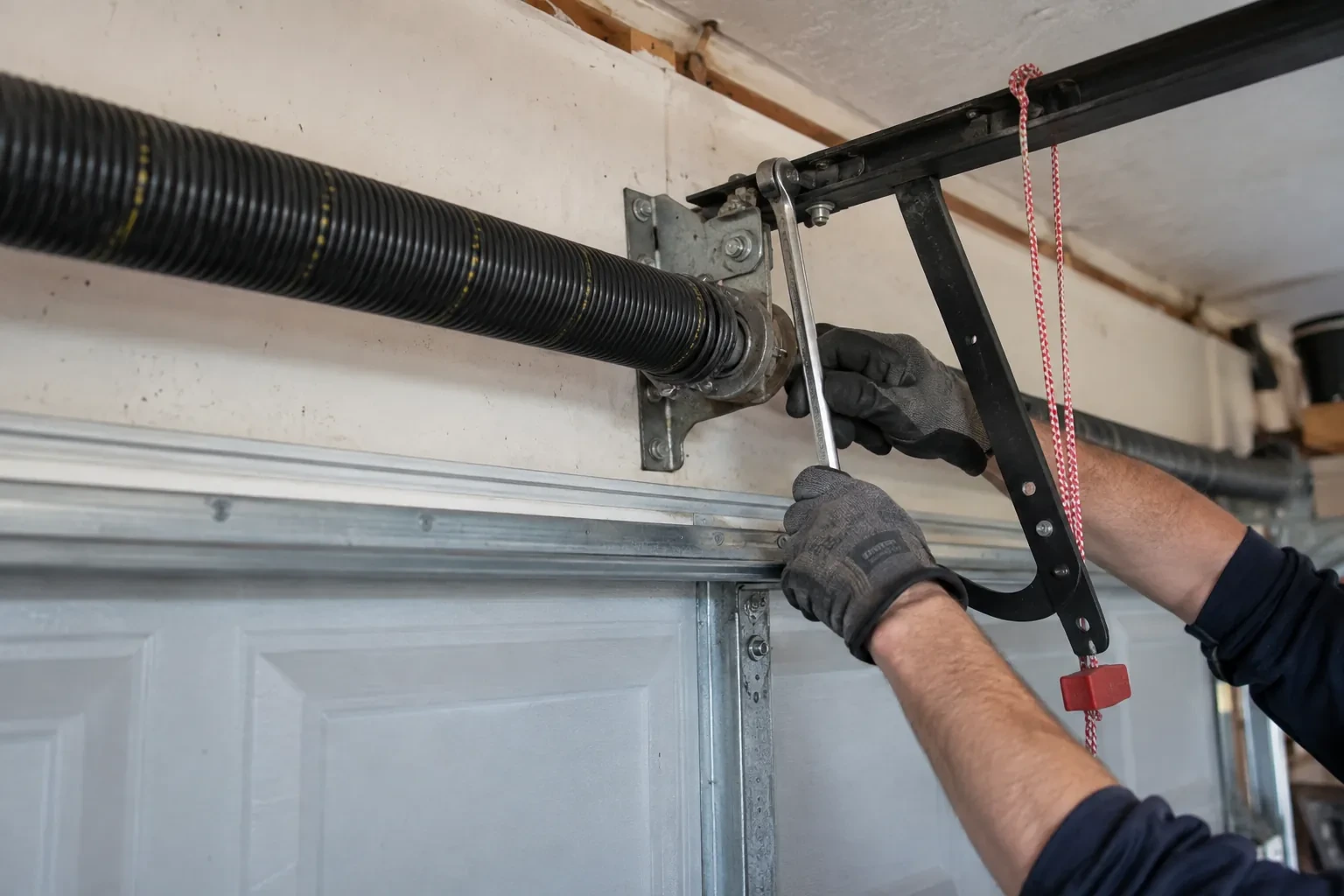
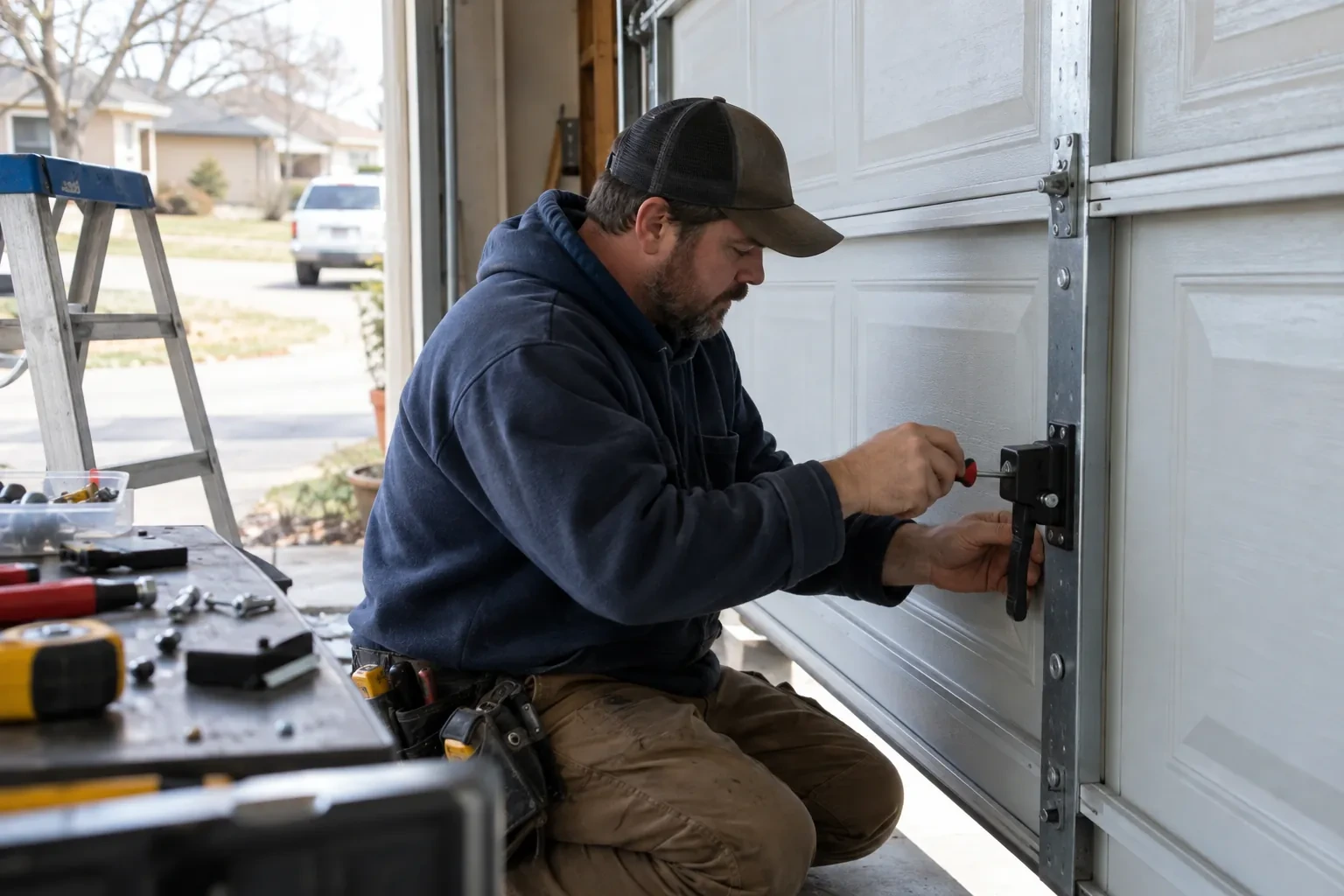
In the van
Hand-chain hoist components
Photoelectric sensors
Operator brake and limits
Windlocks and curtain fasteners
Counterbalance spring assembly
Commercial Rolling Door Repair
What affects the quote
Traffic-control requirements
Loading schedules, pedestrian routes, lift-truck lanes and access to both faces determine how the work zone is maintained. Facility support and alternate routing form part of the service plan.
Protective device scope
Photoelectric sensors, sensing edges, light arrays and vehicle-detection accessories serve defined roles. Quantity, mounting, wiring condition and operator requirements determine repair and test work.
Bottom bar and sealing needs
A twisted bottom bar, torn astragal, worn retainer, sensing edge and misaligned slide bolts are distinct items. Floor slope and threshold condition also influence the closure-line work.
What to have ready
- Is the door push-up, hand-chain or motor operated?
- Are any indicator lights showing on the operator or controls?
- Are door, operator or previous service records available?
Commercial Rolling Door Repair: questions
QuestionsWhy is there a grinding or clattering sound near the hood?
Noise at the head can come from worn barrel bearings, loose brackets, misaligned drive chain or sprockets, shifting slats, an uneven coil or hardware contacting the hood. The pattern matters: once per revolution suggests something different from continuous guide scrape. Controlled observation locates the source before a specific part is selected.
What information helps before the visit?
Useful details include the opening size, curtain material, manual or powered operation, model labels, current door position, recent impact or weather event and the exact point where travel changes. Photos of the full opening, bottom bar, controls and labels can clarify the system. Mention a fire-protection label at the outset so that scope is recognised.
Why does the door stop and reverse while closing?
A photoelectric beam may be blocked, a sensing edge may be active, the curtain may meet resistance, or the operator may be responding to a monitored-device or limit condition. The inspection keeps these possibilities separate. Sensor placement, alignment and response are checked alongside free mechanical travel and the operator's documented control logic.
Related services
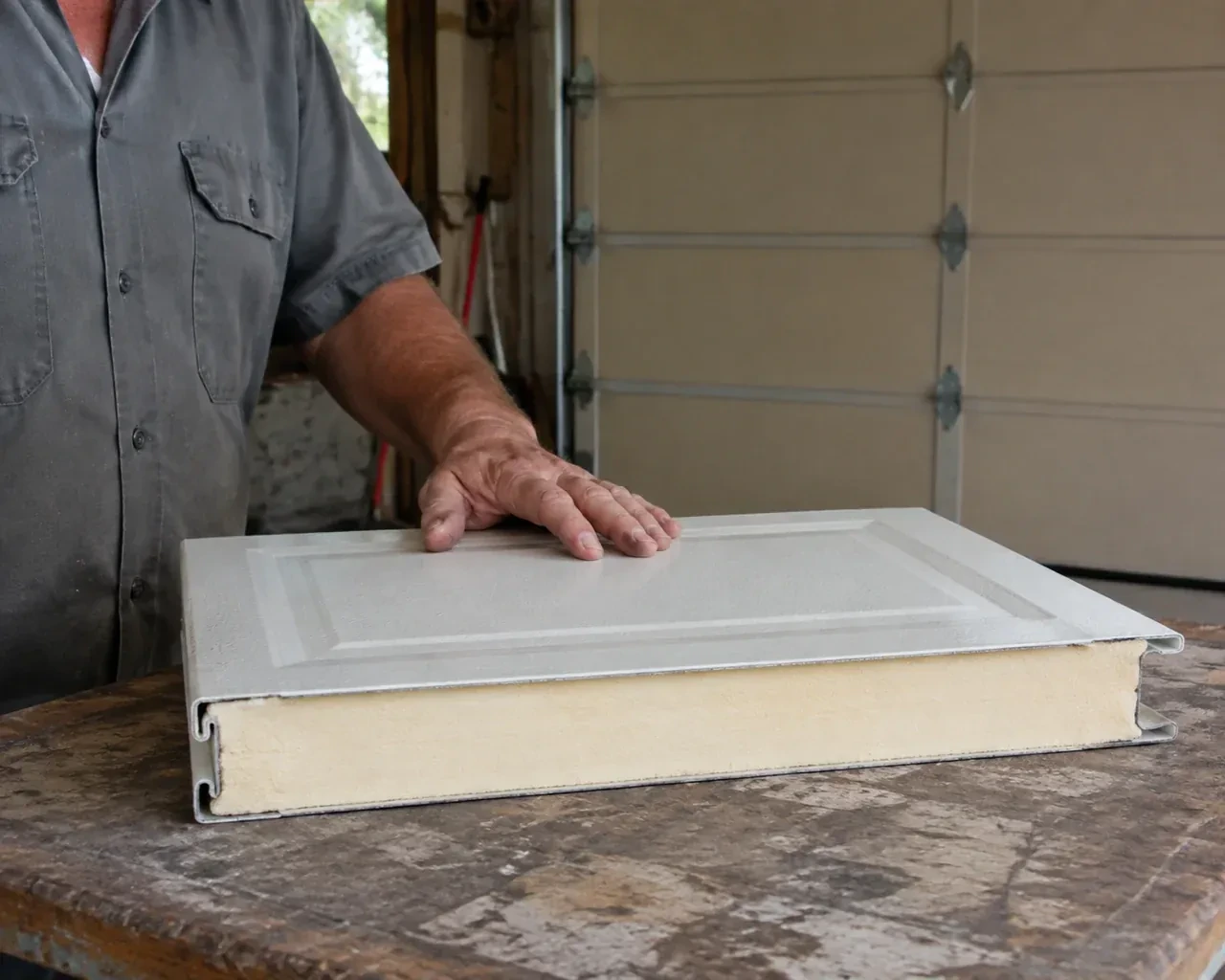
- Insulated Steel Garage Door InstallationA refreshed exterior has made the faded garage door stand out.
- Wind-Rated Garage Door ReplacementStrong gusts make the centre of your wide garage door bow inward and the rollers chatter in their tracks.
- Carriage-House Garage Door InstallationThe existing door has reached the point where panels, rollers and finish all look tired.